
VITA
on her new album OPIA, releasing on September 25, 2026
By William Whitworth
08/12/26 - 1824 Conference
Australian-Filipino artist Vida is stepping into a bold new era with her highly anticipated upcoming album, OPIA. Currently shooting in Mexico City, the project marks a significant evolution in her artistry. Transitioning away from the insular, electronic-heavy sound of her past, Vida is embracing a more collaborative, organic, and visually expansive cinematic universe.
The title OPIA refers to the vulnerability and intensity of looking someone directly in the eye—a concept that serves as the thematic anchor for an album deeply rooted in radical honesty, accountability, and theatrical world-building. Across tracks like "Single" (which redefines romance to include platonic friendships and self-care), "Hyper" (a love letter to hyper-independent women), and the album's sole ballad, "What Does That Say About Me," Vida reckons with her past decisions through a lens of self-forgiveness.
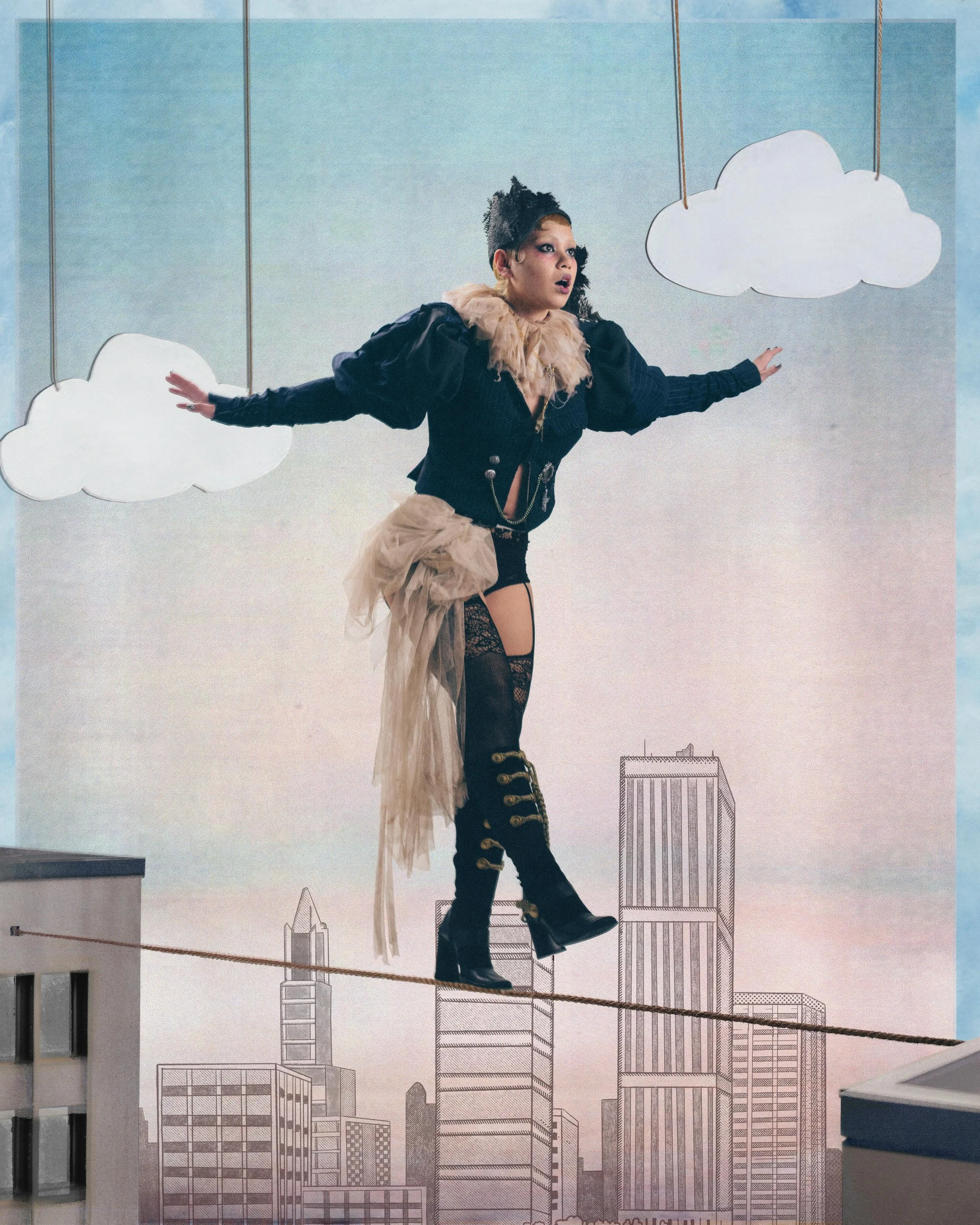
Visually, she is stepping away from standard pop aesthetics in favor of a highly avant-garde approach, bringing to life distinct characters and symbols—such as "Harold the Horse"—to visually bear the album's emotional weight.
What aspects of your creative process have changed between your last record and this one? What has stayed the same? Her process shifted from being highly reclusive and strictly electronic to a more collaborative and organic environment. She intentionally brought in female writers to foster a supportive, conversational studio atmosphere.
In your announcement post, you described "Pleaser" as “a love letter” to past versions of yourself. Is exploring that theme of self-reckoning a thread that runs throughout the entire album? Yes, the album is anchored by deep introspection, focusing on self-reflection, taking ownership of past mistakes, and making peace with former versions of herself through a lens of self-forgiveness.
Can you elaborate on the meaning of OPIA and why it fits your narrative creatively or personally? Opia refers to the vulnerability and intensity of looking someone directly in the eye. This meaning fits her narrative as it serves as the thematic anchor for an album about radical accountability and facing her past mistakes head-on.
Pleaser showcases a deep level of candidness lyrically, how did the principle of radical honesty factor into your writing process for OPIA? Radical honesty drove her to take ownership of her past choices rather than feeling shame. She factored this into her writing process by breaking out of her previously insular habits and bringing in female collaborators to help her reach that vulnerable state.
Your storytelling is extremely intimate. Do you have a specific philosophy when it comes to creating such vulnerable music? Her philosophy for this era centers on radical honesty and accountability. To achieve this intimacy, she changed her working environment, collaborating with female writers to tap into a more authentic and conversational songwriting space.
OPIA feels less like an album and more like an invitation into radical honesty. Was there a moment that forced you to stop performing versions of yourself and start creating from a vulnerable place? / At what point did writing songs stop being enough, and when did you realize you wanted every release to exist inside its own universe? While a specific triggering "moment" isn't isolated, the shift toward radical honesty and universe-building is addressed through her overall evolution: transitioning away from a reclusive, electronic past to embrace accountability, collaboration, and highly theatrical, campy world-building to express her current emotional state.
What was the inspiration behind the visuals for OPIA? The visuals are inspired by the Margiela 2025 runway, the Peter Pan narrative, classic queer cinema like The Rocky Horror Picture Show, and traditional musical theater styles, blending camp, theatricality, and high fashion.
What kinds of media (films, art, or other music) inspired the creation of OPIA and "Pleaser" specifically? Classic queer cinema (The Rocky Horror Picture Show), traditional musical theater, the Margiela 2025 runway, and the Peter Pan narrative.
Vita, your visualizers are very unique yet distinct to your artistry. How was the process of defining your visual image for your debut album? She defined her visual image by intentionally stepping away from standard pop aesthetics. Instead, she chose an avant-garde approach to build a cinematic universe where she embodies a character that visually represents the album's emotional weight.
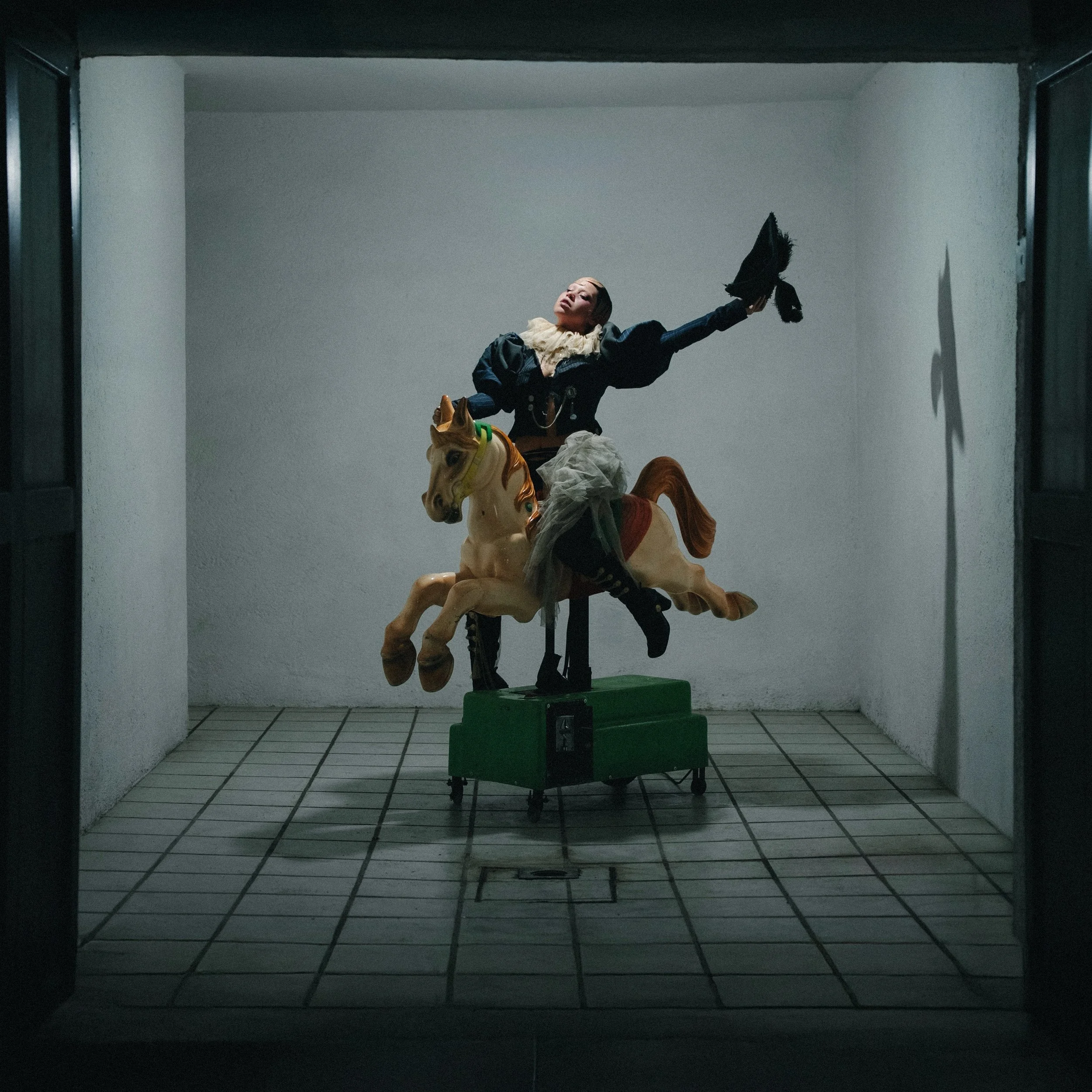
Vita, your visualizers are very unique yet distinct to your artistry. How was the process of defining your visual image for your debut album? She defined her visual image by intentionally stepping away from standard pop aesthetics. Instead, she chose an avant-garde approach to build a cinematic universe where she embodies a character that visually represents the album's emotional weight.
Harold the horse is truly an icon. Can you share anything more about his symbolism for the future unreleased song or album as a whole? Harold is a mechanical horse used in the visual world-building. He acts as a physical symbol of responsibility, representing the situations Vida actively chose to walk into and must now own.
Stay up to date with Tiger Lewis:
Spotify / Apple Music / Instagram / TikTok / YouTube